
Beyond trends and fleeting fads, wood remains the cornerstone of sophisticated interior architecture. Here is a professional perspective on utilizing timber to create spaces with soul, longevity, and modern relevance.um
In the ever-evolving landscape of interior design, materials come and go. Polished concrete has its industrial moment; brass accents rise and fall in popularity; maximalist wallpaper sees revivals. Yet, there is one material that transcends cyclical trends, serving as a foundational element across virtually every design archetype: wood.
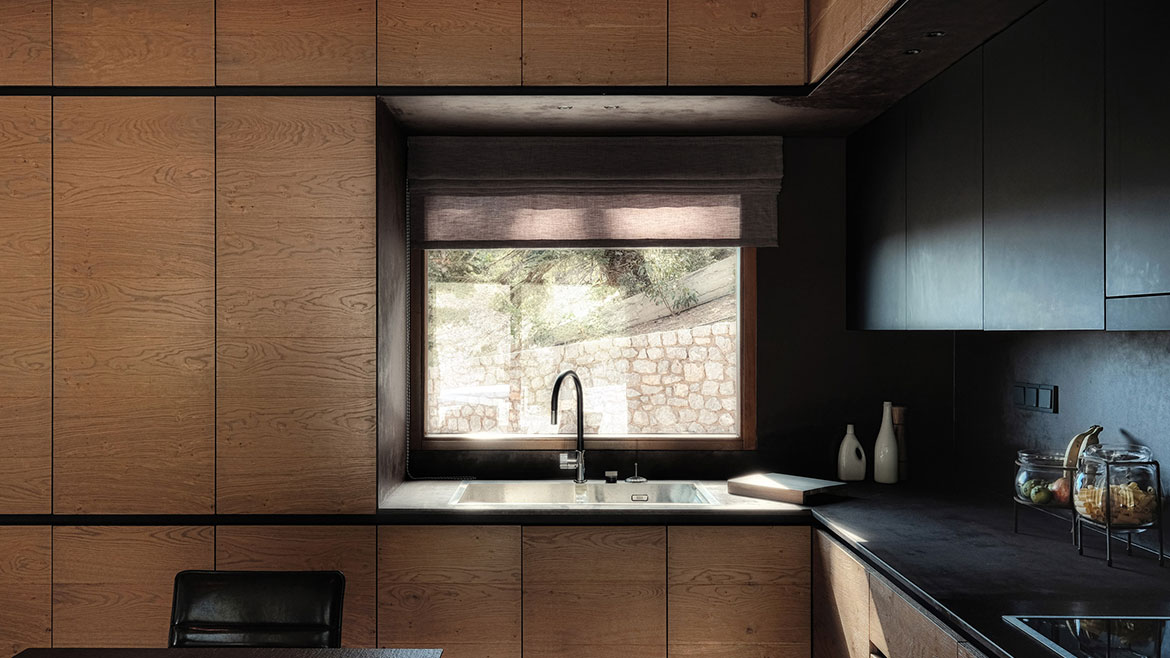
As design professionals, we return to timber not just for its structural integrity, but for its unparalleled ability to inject warmth, texture, and organic sophistication into a space. Wood is the great equalizer—it can ground a hyper-modern minimalist penthouse just as effectively as it defines a rustic country estate. However, incorporating wood is not simply about laying down oak flooring and calling it a day. It requires a nuanced understanding of grain, tone, application, and sustainability.
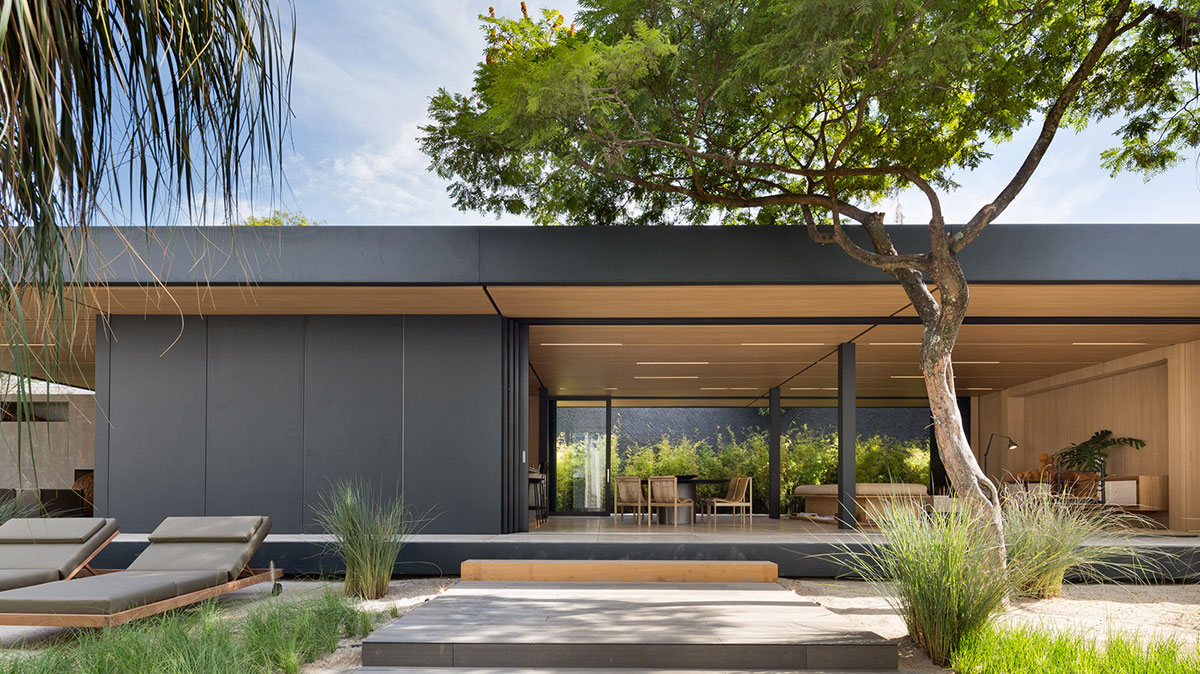
Beyond the Floor: Architectural Applications
While hardwood flooring is a timeless staple, contemporary design is pushing wood into more architectural and vertical applications.
The Slat Wall and Acoustic Paneling: Currently seeing a massive resurgence, vertical wood slatting (often oak, ash, or walnut) adds tremendous architectural interest. Beyond aesthetics, it is highly functional. When backed with acoustic felt, these walls significantly dampen sound, making them ideal for media rooms, home offices, or cavernous open-plan living areas.
Ceiling Treatments: We are increasingly looking up. Exposed structural beams evoke a sense of history and strength. Alternatively, tongue-and-groove wood plank ceilings, painted white or left natural, can add a coastal or farmhouse texture that draws the eye upward, increasing the perceived height of a room.
Bespoke Joinery: Nothing speaks to luxury like custom woodwork. Built-in cabinetry that merges seamlessly with the architecture—rather than freestanding furniture—creates a cohesive, high-end finish. Think floor-to-ceiling library shelving in rich walnut, or a sleek, handle-less kitchen in pale birch plywood.
The Designer’s Dilemma: Mixing Wood Tones
One of the most common anxieties clients face is the fear of mixing different wood finishes. The old adage that “all woods must match” is outdated and results in flat, one-dimensional spaces.
Mixing woods is essential for a layered, curated look. The secret lies in understanding undertones.
- Identify the Dominant Wood: This is usually your largest surface area, most often the flooring. Determine if it is warm (red/orange undertones, like cherry or aged pine), cool (grey/taupe undertones, like weathered oak or ash), or neutral (like natural white oak or walnut).
- Stay in the Family (Usually): It is generally safer to mix different species that share the same undertone temperature. A warm acacia table will sit happily on a warm oak floor, even if one is darker than the other.
- Create Contrast: If you do mix tones, make it intentional. A deep, dark ebonized wood console table can look stunning against a pale, bleached Scandinavian floor because the contrast is sharp and deliberate. The mistake happens when two woods are almost the same but slightly off.
- The Bridge: Use textiles—rugs are your best friend here—to separate wood furniture from wood floors. A wool or jute rug breaks the visual plane, allowing different wood tones to coexist without clashing.
The Imperative of Sustainability
As professionals, we have an ethical obligation to source materials responsibly. The beauty of wood should not come at the cost of old-growth forests.
Fortunately, the industry has shifted. We now prioritize timber certified by organizations like the FSC (Forest Stewardship Council), which ensures responsibly managed forests. Furthermore, reclaimed wood is no longer just for “shabby chic” interiors; high-quality salvaged timber is being reworked into sleek, modern applications, offering history and patina that new wood cannot match.
Choosing high-quality timber is an investment in longevity. Unlike laminate or veneer, solid or quality engineered wood can be sanded and refinished multiple times over decades. It ages gracefully, developing a richer patina over time.
Conclusion
Wood is not merely a finish option; it is a medium through which we craft atmosphere. Whether it is the pale, serene birch of a Japandi-style bedroom or the moody, sophisticated drama of dark walnut cabinetry, wood remains the essential anchor of interior design. By understanding its properties and applying it with intention, we create spaces that are not only beautiful today but will endure for generations.