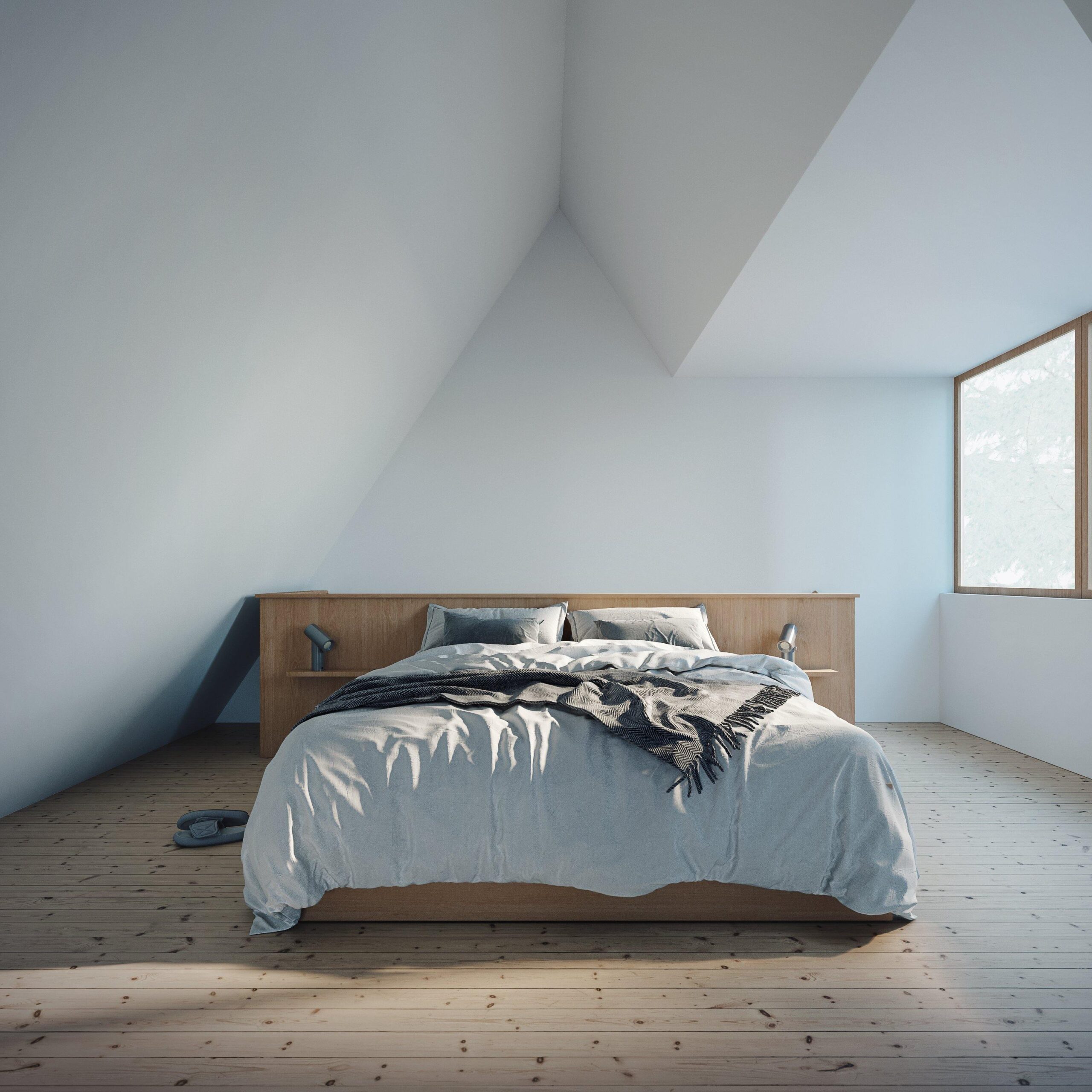
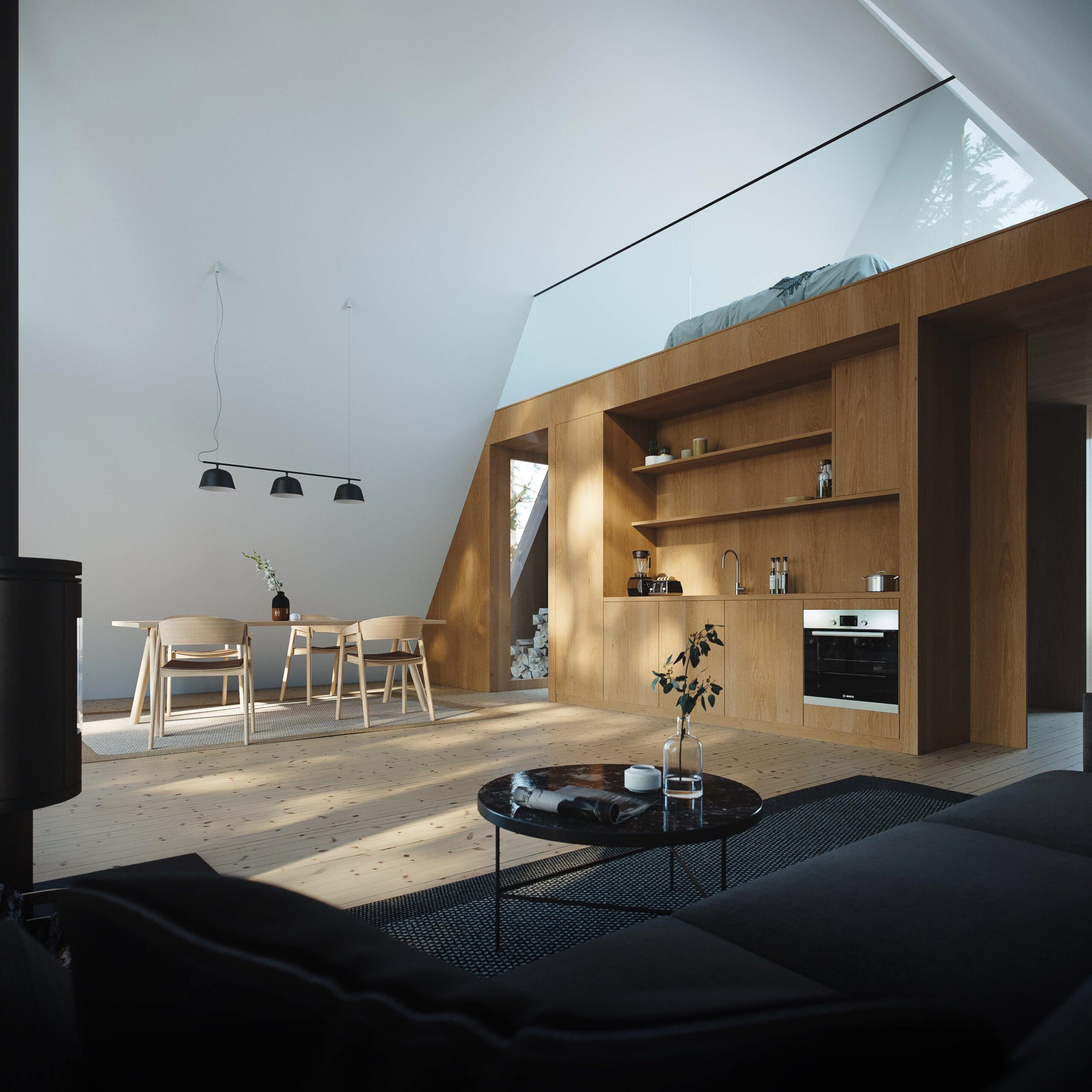
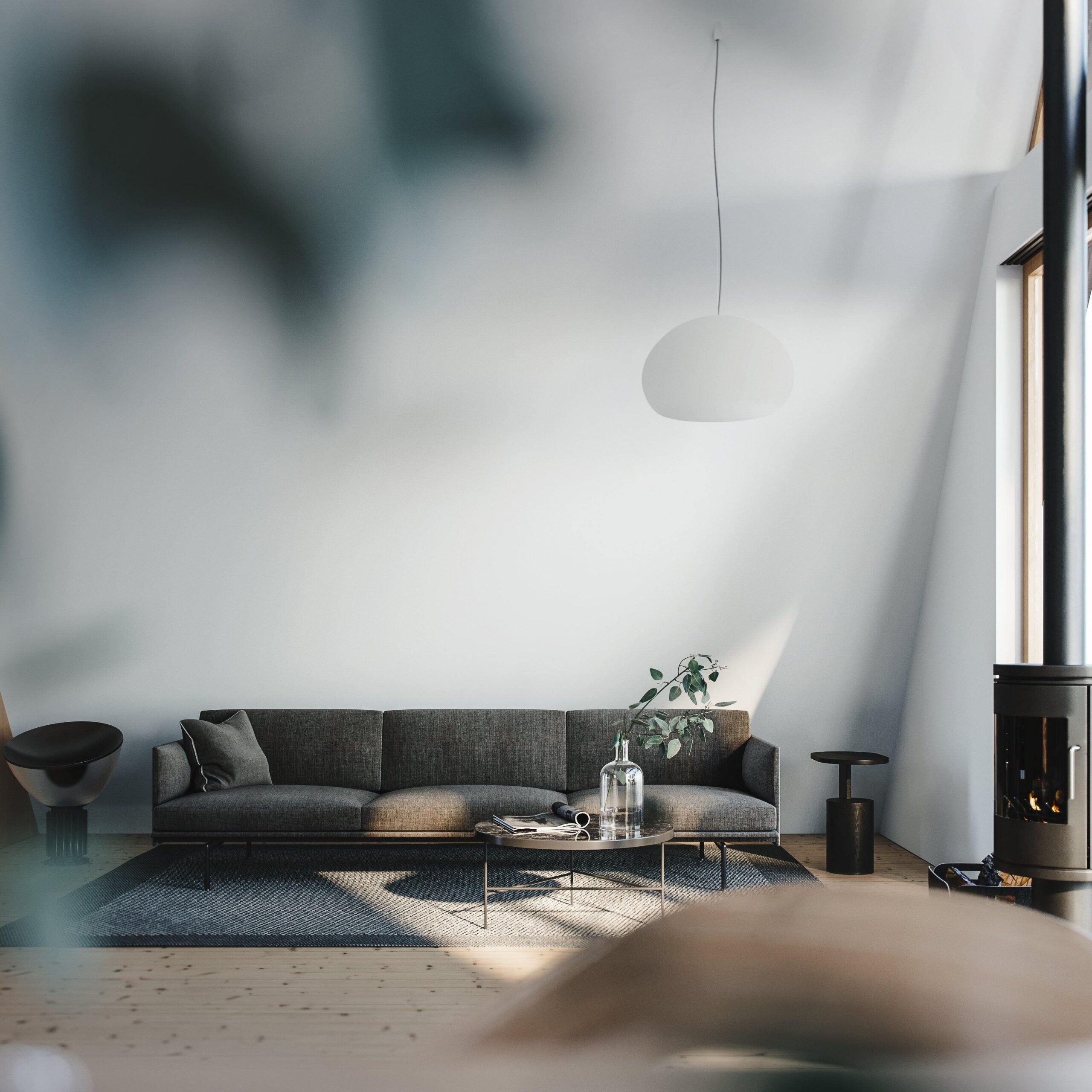
The design is not a traditional, thin-walled vacation A-frame. It is a robust, thick-shelled structure designed to harvest the intense Mongolian winter sun while protecting inhabitants from fierce winds and deep cold. It embraces the A-frame shape for its ability to shed heavy snow and deflect wind, but engineers it for maximum thermal retention.
Design Concept: The “Steppe Prism”
Share :
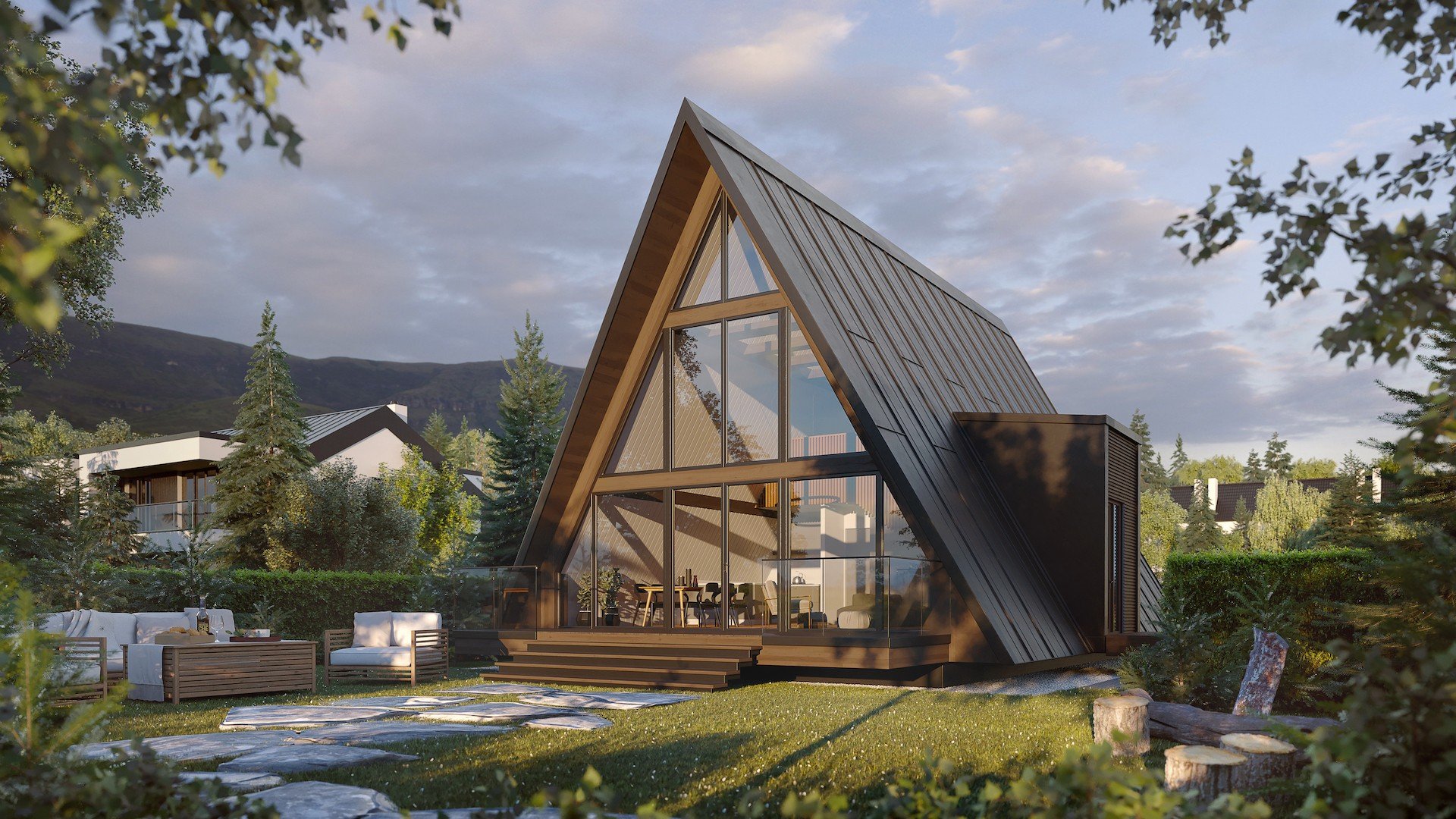
To make this work in Mongolia, where winter temperatures regularly hit -40°C but solar radiation is high, the house must be a "super-insulated solar collector."
This is a fascinating design challenge. Combining the iconic A-Frame shape with stringent Passive House standards in the extreme climate of Mongolia requires a radical rethinking of the traditional “cabin” concept.
Key Design Features
1. The “Super-Shell” (Extreme Insulation)
To meet Passive House standards in Mongolia, standard 2×6 framing won’t cut it.
-
Structure: The A-frame structure would likely use deep Timber I-Joists or a Double-Stud framing system spaced widely apart. This creates a cavity depth of 60cm to 80cm (approx. 24-32 inches).
-
Insulation: This massive cavity is densely packed with blown-in cellulose insulation or dense mineral wool.
-
Airtightness: A continuous, rigorous airtight vapor control layer is essential on the interior side. In Mongolian winds, even a pinhole leak will destroy energy efficiency.
2. Solar Orientation is Everything
The house must be oriented on a strict North-South axis.
-
The South Facade (The “Heat Engine”): The entire south-facing gable end is a curtain wall of triple-glazed, krypton-filled Passive House certified glass.
-
Why: Mongolia has very sunny winters. This glass acts as a furnace, passively heating the concrete slab floor and interior mass during the day.
-
Summer Strategy: To prevent overheating in summer, this facade features an integrated brise-soleil (fixed timber horizontal slats) calculated to block high summer sun angles but allow low winter sun to penetrate deep into the home.
-
-
The North Facade (The “Shield”): The north gable end is almost entirely solid, heavily insulated wall. It might contain the entryway (via an airlock/mudroom) and utility closet. Windows here are tiny or non-existent to minimize heat loss.
3. Thermal Mass Flooring
A-frames can feel lightweight. To stabilize temperatures, the ground floor is a thick, insulated concrete slab (an “ISO-slab” floating on rigid insulation, thermally broken from the frozen ground). This slab absorbs the solar heat from the south windows during the day and radiates it back at night.
4. The “Snug” Interior Layout
Because the thick walls eat into the interior width, the layout must be efficient.
-
Ground Floor: Open plan living/kitchen/dining concentrated near the south glass. A compact bathroom and mechanical room at the darker north end.
-
The Loft (Sleeping): The upper apex of the A-frame is the sleeping loft. Heat naturally rises, making this the warmest part of the house. A small, sealable hatch could separate it from the main floor during extreme cold snaps to reduce the volume requiring heating.
5. Mechanical Ventilation (MVHR)
A Passive House in Mongolia cannot survive without active ventilation. An MVHR (Mechanical Ventilation with Heat Recovery) unit is crucial. It pumps out stale, humid air from the kitchen/bath and pulls in fresh, freezing outside air, using the outgoing air to warm the incoming air via a heat exchanger core, retaining about 90% of the heat.
Material Palette: Nomadic Minimalist
The aesthetic should feel grounded in the Mongolian landscape—durable, natural, and weathering gracefully.
-
Exterior Cladding: Siberian Larch. It is regionally available, extremely tough, rot-resistant, and handles freeze/thaw cycles well. It should be left untreated to weather to a silvery-gray that matches the steppe environment.
-
Roofing/Side Walls: Standing seam metal roofing in a dark charcoal matte finish. Snow slides off it easily, and the dark color helps absorb a tiny bit of extra winter surface heat.
-
Interior: Warm plywood lining (birch or pine) for walls and ceilings. It eliminates the need for drywall (which cracks in extreme cold shifts) and provides a warm “wooden tent” feeling.
-
Flooring: Polished concrete (the thermal mass).
Visual Visualization of the Concept:
Imagine standing on the vast Mongolian steppe in winter. The ground is frozen hard and dusted with snow.
You see a striking triangular structure rising from the landscape. From the side profile, it looks incredibly thick, almost chunky, clad in graying timber and dark metal.
As you walk around to the South front, the house transforms. The entire front is a gleaming wall of glass reflecting the bright blue sky and the golden sun. Behind the glass, you can see a warm wooden interior and a concrete floor bathed in sunlight. Heavy timber horizontal louvers project above this glass wall like a brow, ready to shade it when summer arrives.
There is no chimney issuing smoke. The house sits silent and sealed, a warm sanctuary utilizing high-tech engineering to survive in one of the world’s toughest climates.